
Your food truck sells out every weekend. Customers line up before opening, reviews are strong, and revenue keeps climbing. Does that mean you’re ready to open a restaurant?
Not necessarily.
The transition from a food truck to a permanent location fundamentally changes your business economics. A mobile operation can adjust schedules, locations, and production around demand. A brick-and-mortar restaurant carries financial obligations regardless of how many customers walk through the door.
Tracking the right KPIs for food trucks helps determine whether your operation can sustain higher overhead, expanded staffing, and a long-term commercial lease.
The objective isn’t simply to grow revenue. It’s to build an operation capable of generating consistent profits at a larger scale.
Why Gut Instinct Isn’t Enough to Justify Expansion
A food truck generating $25,000 in monthly revenue may perform exceptionally well with minimal staffing and flexible operating expenses. Move that same revenue into a restaurant, however, and the financial equation changes.
A permanent location introduces recurring commitments: commercial rent, utilities, insurance, maintenance, payroll, and potentially debt service.
The critical distinction is variable costs vs. fixed costs.
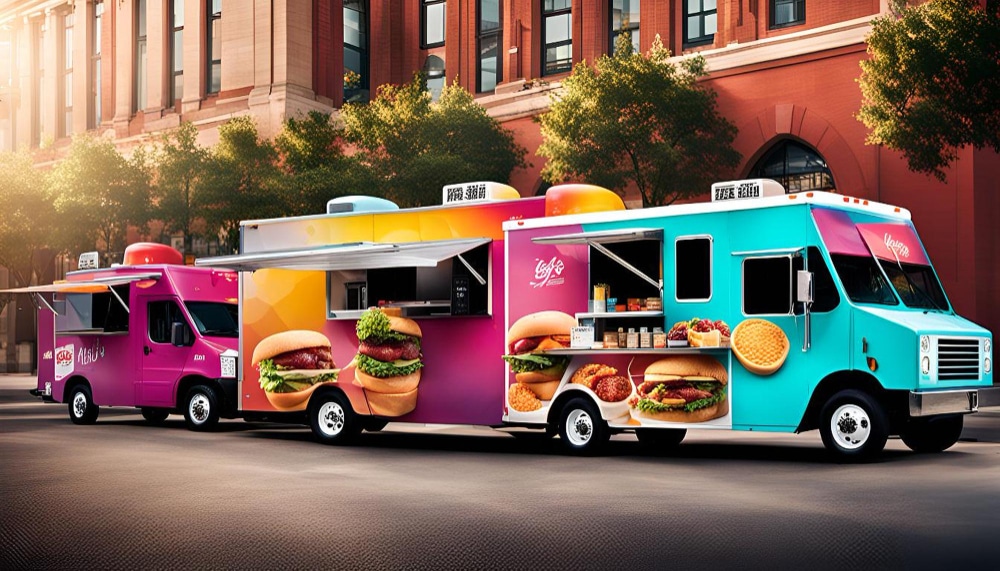
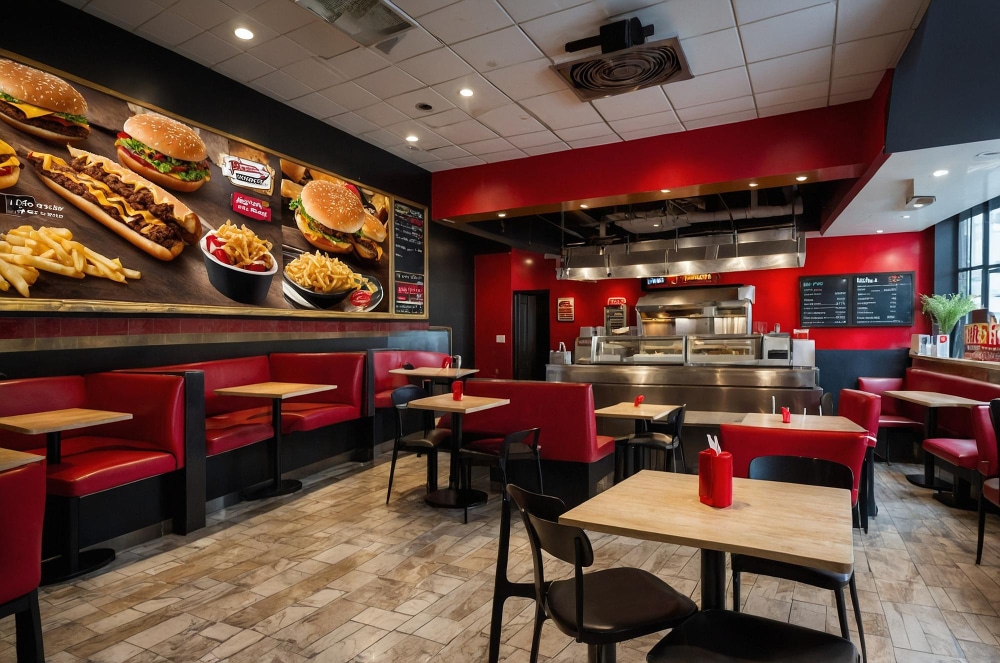
Food Truck vs. Retail Space: Understanding the Financial Shift
Business Factor |
Food Truck |
Brick-and-Mortar |
|---|---|---|
| Occupancy costs | Flexible operating locations | Long-term lease obligations |
| Staffing | Lean crew | Potentially larger workforce |
| Production capacity | Limited workspace | Greater production potential |
| Capital investment | Generally lower | Buildout and equipment costs |
| Financial exposure | More operational flexibility | Higher fixed-cost commitments |
Strategic Insight: Long lines validate customer interest. Consistent profitability and repeat demand validate expansion potential. Those are two very different business signals.
The 6 Essential Financial KPIs for Food Trucks Before Expansion
Before committing to a commercial property, examine six to twelve months of financial performance.
These six KPIs for food trucks provide a framework for determining whether your operation can withstand the financial demands of a permanent establishment.
1. Food Cost Percentage (Food Cost %)
Food Cost measures how much of your food revenue is consumed by the ingredients used to produce the items sold.
Formula: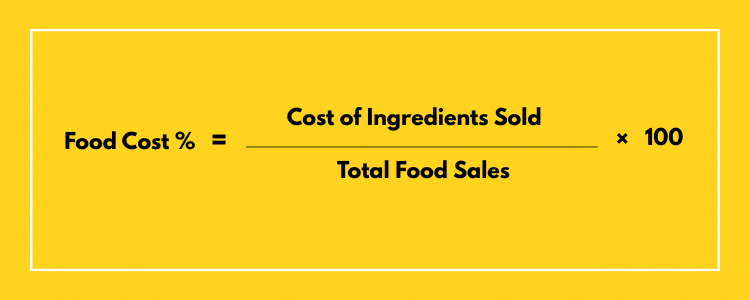
A practical planning benchmark is approximately 28%–35%, depending on cuisine, pricing strategy, and service model.
If your operation generates $20,000 in food sales while consuming $6,400 in ingredients, your Food Cost is 32%.
The objective isn’t simply finding cheaper ingredients. It’s optimizing portions, reducing waste, negotiating supplier pricing, and protecting each menu item’s contribution margin.
Before expanding, understand how fluctuations in ingredient costs affect your bottom line. Explore our analysis, How Food Cost Defines the Profitability of Your Food Business.
2. Net Profit Margin
Revenue growth means very little if the operation fails to generate sustainable profits.
Formula: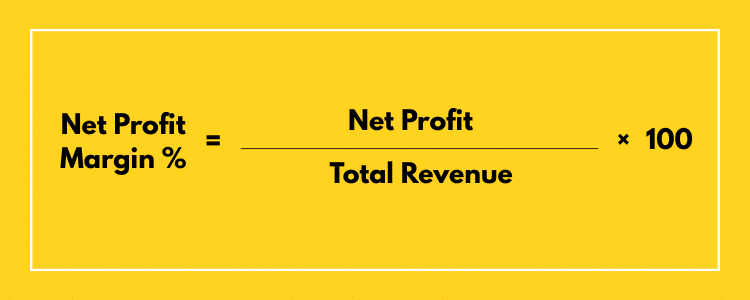
A consistently achieved 15%–25% net margin would provide a strong financial starting position for expansion planning. However, this is an ambitious target rather than an industry average.
Many traditional restaurants operate with substantially thinner margins, making disciplined cost forecasting essential.
For example, a food truck generating $30,000 monthly revenue at a 20% net margin retains $6,000. Additional restaurant overhead could eliminate that profit without corresponding sales growth.
Owner compensation must also be properly accounted for. A business isn’t truly scalable if its profitability depends on unpaid founder labor.
3. Prime Cost: Food and Labor Combined
Prime Cost consolidates the two expenses that most directly influence restaurant profitability.
Formula: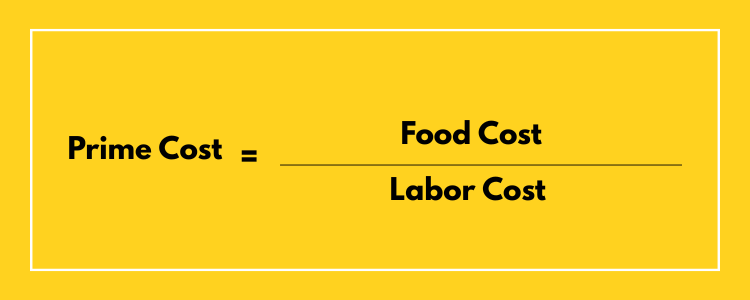
For a percentage, divide combined food and labor costs by net sales and multiply by 100.
A commonly used planning target is approximately 60%–65% or less of revenue, although sustainable targets vary by restaurant format.
A brick-and-mortar operation may require additional cooks, dishwashers, front-of-house employees, and cleaning personnel.
Labor projections should include wages, payroll taxes, workers’ compensation, and applicable benefits.
The critical question: Can the restaurant maintain acceptable unit economics after accounting for its expanded workforce?
4. Average Ticket Size
Your average ticket indicates how much revenue each transaction generates.
Formula: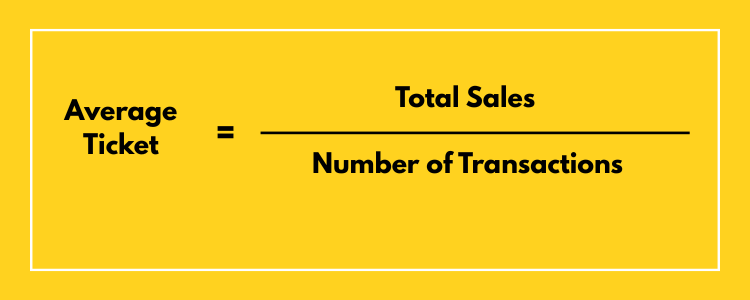
A food truck producing $18,000 across 1,000 transactions has an average ticket of $18.
That number becomes particularly important when forecasting restaurant revenue.
Can your concept support premium combinations, higher-value offerings, or profitable add-ons without compromising customer loyalty?
Strategic menu engineering helps identify products with stronger contribution margins and opportunities to increase revenue per transaction.
5. Sales Per Hour and Maximum Capacity
When your food truck operates at full capacity for four consecutive hours and regularly turns away orders, you may have a production bottleneck.
Formula: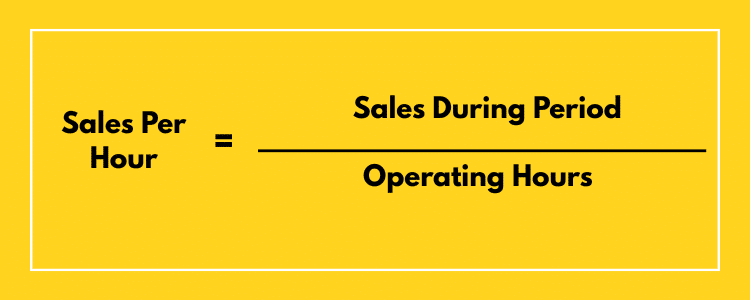
However, operational congestion isn’t automatically proof of sufficient restaurant demand.
Track:
- Orders declined because of production limitations.
- Peak-hour sales and preparation times.
- Customer demand outside major events or high-traffic locations.
Consistent, measurable unmet demand provides stronger expansion evidence than an occasional sellout.
6. Cash Runway and Working Capital Reserves
Cash Runway measures how long your business can continue operating before available reserves are depleted.
Formula: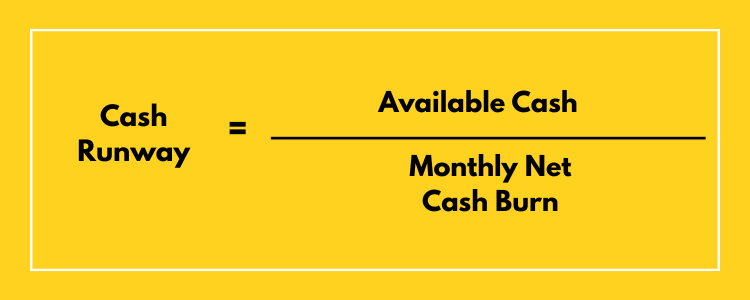
For expansion planning, maintain a reserve equivalent to at least three to six months of projected operating expenses, separate from buildout costs.
If expected monthly operating expenses total $18,000, that represents approximately $54,000–$108,000 in gross expense coverage.
Actual funding requirements should reflect anticipated revenue, working-capital needs, and potential startup losses.
Financial Reality Check: Having enough money to open a restaurant doesn’t mean you have enough money to keep it operating until it reaches break-even.
Financial KPI Readiness Scorecard
KPI |
Planning Benchmark |
Primary Risk |
|---|---|---|
| Food Cost | 28%–35% | Shrinking gross margins |
| Net Profit Margin | 15%–25% aspirational | Insufficient profitability |
| Prime Cost | Approximately 60%–65% or less | Labor and ingredient inflation |
| Average Ticket | Supports profitable sales | Low contribution per transaction |
| Sales Per Hour | Verified unmet demand | Excess production capacity |
| Cash Runway | 3–6 months of OPEX reserves | Liquidity shortfalls |
Benchmarks are directional planning references, not universal industry requirements.
Operational and Demand KPIs: Measuring Real Market Traction
Financial performance tells only part of the story.
The strongest KPIs for food trucks also measure customer loyalty and whether demand will transfer to a permanent address.
Repeat Customer Rate
Formula: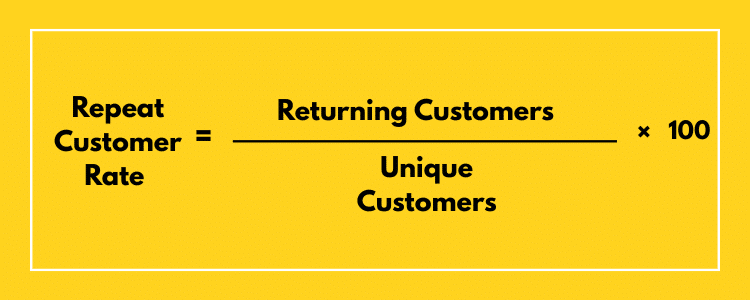
Do customers actively seek out your truck across multiple locations, or do they purchase primarily because you’re conveniently positioned?
A loyal customer base indicates stronger brand traction and potentially lower customer acquisition costs.
Rent-to-Revenue Ratio
Formula: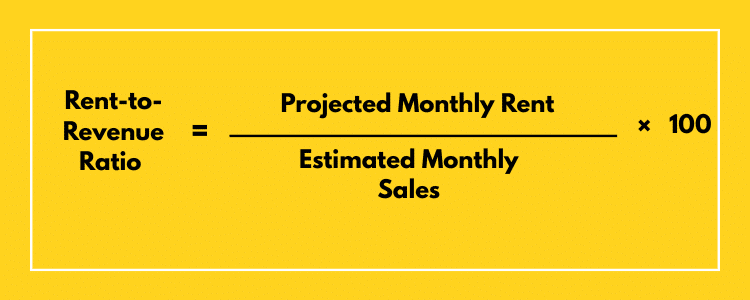
A frequently used planning range is 6%–10% of gross sales, although actual affordability depends on the entire occupancy-cost structure.
For example, $4,000 monthly rent requires approximately $50,000 in sales to maintain an 8% ratio.
Evaluate expansion using three scenarios:
- Conservative: Slower customer acquisition and weaker-than-expected revenue.
- Base Case: Demand supported by historical performance.
- Upside: Higher customer retention and improved production capacity.
What If Your KPIs Show You’re Not Ready?
An unfavorable expansion analysis doesn’t necessarily mean your concept lacks potential. It may mean the timing or infrastructure strategy needs adjustment.
For founders facing limited capital or the risks of a five-year commercial lease, shared commercial kitchens and ghost kitchens can provide an intermediate growth model.
Instead of immediately funding a complete restaurant buildout, operators can access professional production infrastructure while validating new revenue streams.
This approach can help entrepreneurs:
- Improve unit economics through standardized recipes and production.
- Strengthen inventory accuracy using Menu SKU systems.
- Test catering, delivery, and virtual restaurant concepts.
- Increase output while limiting upfront capital expenditures (CAPEX).
At Flavor Connection, shared commercial kitchen infrastructure in Miami provides professional workstations, equipment, storage options, and membership alternatives designed for growing food businesses.
The objective is to separate production growth from the financial burden of immediately opening a storefront.
Scale With Data, Not Assumptions
The transition from a food truck to a permanent location should be supported by measurable economics, recurring demand, and sufficient working capital.
Tracking KPIs for food trucks turns expansion from an emotional milestone into an investment decision.
Before signing a lease, validate your restaurant’s profitability under conservative sales assumptions. If the numbers don’t work, reconsider the operating model before committing additional capital.
Frequently Asked Questions
How much capital do I need to move from a food truck to a restaurant?
Costs vary by market and buildout requirements. Budget for equipment, permits, deposits, and at least three to six months of operating reserves.
What net profit margin should my food truck generate before expanding?
A consistent 15%–25% margin provides a strong starting position, but restaurant projections must demonstrate profitability after increased overhead.
What licenses are required to open a restaurant in the United States?
Requirements vary by jurisdiction. Florida restaurants commonly need appropriate DBPR licensing, plan reviews, inspections, and applicable local approvals.
Is a shared commercial kitchen better than opening a restaurant immediately?
It can be when you need additional production capacity, market validation, and lower upfront investment without committing to a long-term storefront lease.
Your Next Growth Stage Doesn’t Need More Risk. It Needs Better Infrastructure.
Growth isn’t about opening more doors. It’s about building a business that can profitably operate behind them.
Your food concept deserves more than additional square footage. It needs operational discipline, predictable costs, scalable production, and infrastructure aligned with your financial goals.
Flavor Connection provides a professional shared-kitchen environment where food entrepreneurs can strengthen operations, expand production, and prepare for their next stage of growth.
Whether you’re developing a virtual brand, scaling catering services, or preparing for a permanent restaurant, the right infrastructure can help you move forward without taking on unnecessary overhead.
Ready to scale your food business with greater financial control?
Explore Memberships Apply for a Membership
Flavor Connection — We Season the Passion for Success.

