
“A great dish is not born from a single chef’s talent, but from the harmony of a team that cooks with purpose.”
In every professional kitchen, there is something more powerful than heat: people. What separates a restaurant that simply functions from one that truly shines is the way its leader manages the team. Kitchen team management is not about barking orders or checking schedules; it is about inspiring, guiding, and building a culture where everyone feels they belong and matter.
When that human and professional connection exists, the kitchen transforms from a high-pressure battlefield into a space where creativity flows, confidence grows, and excellence becomes routine.
1. What Kitchen Team Management Really Means
Kitchen team management is the art of coordinating people, tasks, and emotions in an environment where every second counts. It goes far beyond supervision: it is about leading with intention.
An effective approach to managing kitchen teams balances three key elements:
- Operational efficiency, delivering dishes on time, at the right temperature, and with consistent quality.
- Team well-being, building trust and maintaining a respectful work environment.
- Personal and professional growth, encouraging continuous learning and improvement.
A well-managed kitchen turns the chaos of service into an orchestrated performance where everyone knows their role, timing, and purpose. This is the essence of effective kitchen team management.
2. The Role of Leadership in Culinary Environments
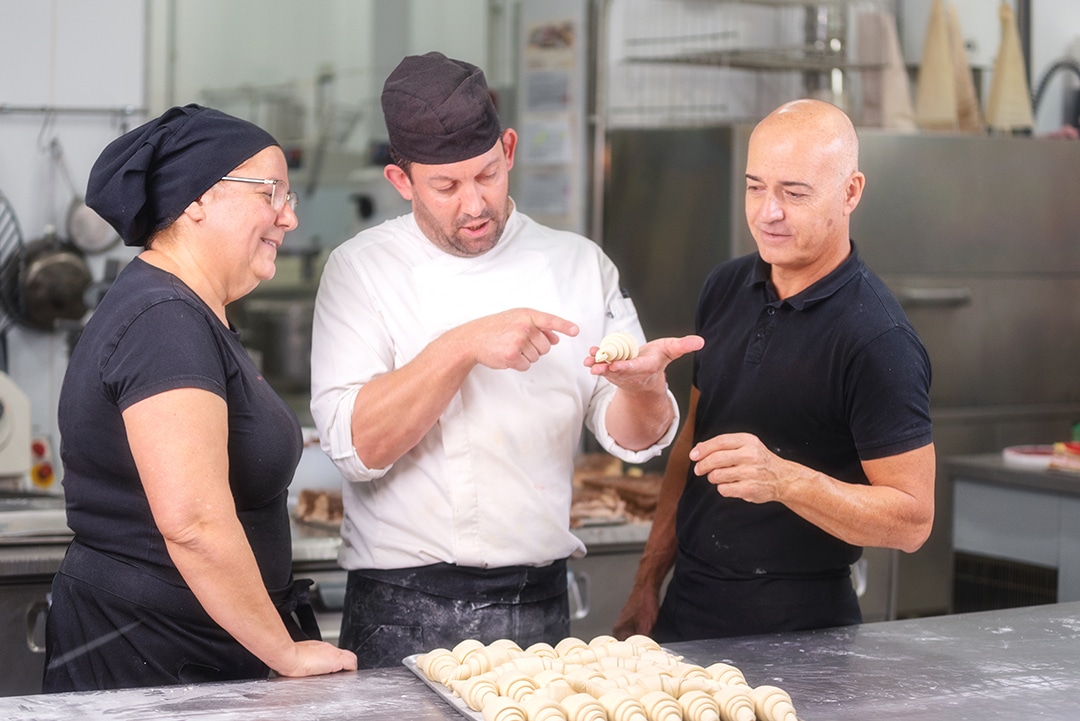
No kitchen team management strategy succeeds without conscious leadership. A true culinary leader does not just command from a distance; they roll up their sleeves, listen actively, and act consistently. Leadership in the kitchen is about balancing urgency with calm, and passion with discipline.
Strong leadership in kitchen team management stands on three pillars:
- Leading by example: punctuality, attitude, and ethics spread faster than any memo.
- Communicating clearly: unclear instructions cause chaos; clear words build confidence.
- Protecting team energy: motivating during tough services and recognizing effort when it matters most.
A chef leader does not just create memorable dishes; they help shape memorable people.
3. Essential Skills of a Kitchen Leader
In kitchen team management, leadership is not about title but about attitude. The most respected leaders cultivate a mix of emotional intelligence, technical precision, and human warmth.
Clear Communication
In a fast-paced kitchen, every word counts. Instructions should be concise, respectful, and timely.
Empathy
Understanding what your team feels allows you to lead with humanity. Empathy turns hierarchy into collaboration.
Organization
Effective management in the kitchen starts with structure: well-defined prep routines, clear roles, and predictable workflows.
Emotional Management
The most dangerous fire in a kitchen is not on the stove; it is uncontrolled emotion. Calm leaders inspire calm teams.
Teaching Ability
A great leader coaches without humiliating. They correct with patience and celebrate even small improvements.
4. How to Develop Effective Kitchen Leadership
Becoming a leader capable of managing kitchen teams effectively takes practice and awareness. Here are actionable steps to strengthen your leadership:
- Know your team. Understand their strengths, weaknesses, and motivations.
- Set clear goals. Direction gives purpose and structure.
- Hold brief daily meetings. One minute of clarity saves ten minutes of confusion.
- Recognize effort. A sincere compliment can lift morale faster than a raise.
- Encourage shared responsibility. Success feels greater when it belongs to everyone.
- Delegate wisely. Trust builds ownership, and ownership fuels excellence.
A leader who applies these practices enhances not just results, but also the culture that sustains the entire kitchen team management process.
5. Organizational Culture: The Soul of the Kitchen
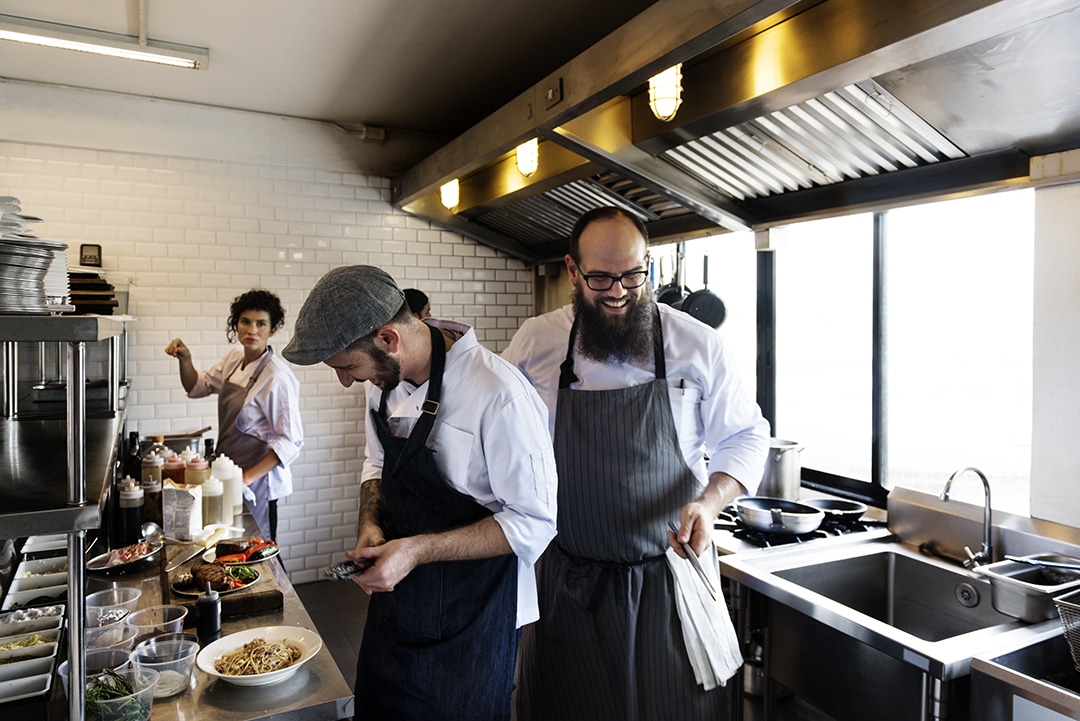
If leadership is the engine, culture is the fuel. In kitchen team management, organizational culture defines how people work, communicate, and grow together.
Culture is not created by accident; it is built intentionally, from daily routines to how mistakes are handled. A strong kitchen culture answers key questions: How do we welcome new staff? How do we handle pressure? How do we celebrate success?
When culture is clear, the team understands what the restaurant stands for—and that sense of identity shows up on every plate and every smile.
6. Benefits of a Positive Kitchen Culture
A healthy, well-defined culture is one of the greatest competitive advantages in kitchen team management:
- Lower staff turnover. People don’t quit their jobs; they quit bad leaders.
- Better communication. Everyone speaks the same professional language.
- More creativity. Safe environments spark innovation.
- Higher productivity. Focus replaces chaos.
- Stronger loyalty. Pride in belonging becomes a daily motivator.
A team built on culture does not need to be reminded of its goals; it lives them.
7. Motivation: The Invisible Engine of Performance
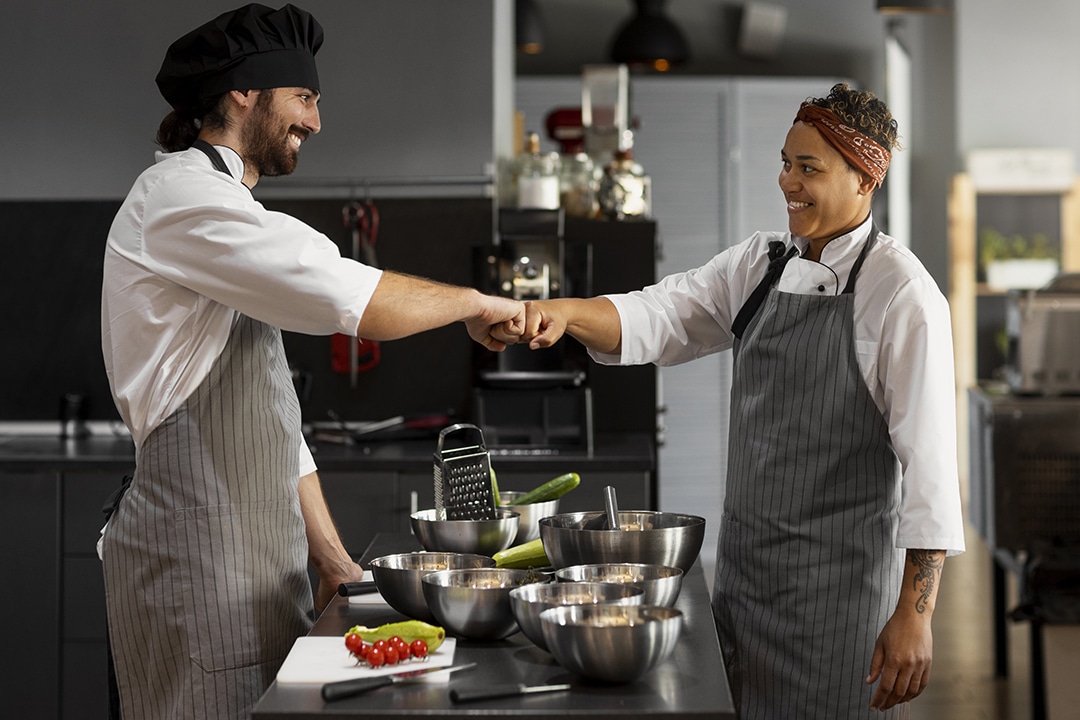
Motivation is the silent energy behind every successful kitchen. Without it, even the best systems fail. Within effective kitchen team management, motivation becomes the emotional foundation that keeps everything running smoothly.
To sustain it:
- Recognize achievements publicly and correct privately.
- Involve the team in creative decisions.
- Rotate tasks to keep engagement high.
- Provide learning opportunities.
- Protect rest and well-being.
Motivation cannot be imposed; it must be inspired. And when a leader inspires, the kitchen becomes a place of passion, not just production.
8. High-Performing Teams vs. Struggling Teams
Here is a practical comparison to illustrate the difference effective kitchen team management can make:
| High-Performing Kitchen Teams | Struggling Kitchen Teams |
|---|---|
| Leadership based on example and trust. | Authoritarian or absent leadership. |
| Open, respectful communication. | Miscommunication or silence. |
| Shared culture and clear values. | Individualism and tension. |
| Constant learning and curiosity. | Resistance to change. |
| Collective motivation and pride. | High turnover and burnout. |
| Empathetic conflict resolution. | Blame, fear, or avoidance of conflict. |
Successful kitchens understand that managing people is as important as managing ingredients.
9. The Flavor of Conscious Kitchen Team Management
Effective kitchen team management combines leadership, motivation, and culture into a single vision: people working together with purpose. It is about recognizing that behind every dish there is a person giving their best—and a leader guiding them toward excellence.
Human-centered management is not a trend; it is the foundation of long-term success in hospitality. When you lead with empathy, your kitchen does not just cook—it thrives.
Flavor Connection: Cooking the Future Together
At Flavor Connection, we believe that the future of gastronomy depends on conscious and collaborative kitchen team management. We connect chefs, entrepreneurs, and professionals who want to grow in leadership, motivation, and culture—building kitchens where respect, creativity, and shared purpose are the main ingredients.
Join Flavor Connection and learn how to lead your kitchen from both heart and strategy. Because when the team cooks as one, the flavor goes far beyond the plate.

