
1. Every dessert is a story: why Christmas is also written at the table
Christmas didn’t start with lights, carols or decorated trees; it began with families gathered around the fire, sharing meaningful food. Desserts were not just a sweet ending: they symbolized abundance, gratitude and the hope for a better year.
That’s why, when we talk about Christmas desserts, we’re really talking about stories.
Stories of migration, of ingredients that traveled across oceans, of recipes that survived centuries and of flavors that still bring people together.
Each country keeps a unique tale:
- Panettone was born as an act of love in Renaissance Italy.
- Stollen in Germany symbolizes the Baby Jesus wrapped in swaddling clothes.
- Venezuelan Black Cake is family memory, immigrant heritage and local tradition.
- The French Bûche de Noël recalls the ancient ritual of burning a log for prosperity.
- Japanese Mochi celebrates abundance and the start of a new cycle.
For a food entrepreneur, adding these Christmas desserts to the menu is a way to offer more than sweets: it’s a way to deliver experiences your customers want to live, photograph and remember.
2. The history behind the desserts that fill today’s holiday tables
The origins of many Christmas desserts go back to celebrations that existed even before Christmas itself. During the winter solstice, when harvest season ended, people prepared sweet dishes with honey, grains and nuts to give thanks for abundance and ask for protection in the coming cycle.
As Christianity expanded, these preparations became part of the December festivities and took on new meanings within religious and family celebrations. Spices, sugar and nuts — luxury ingredients for centuries — were reserved for this time of year, which turned desserts into a true symbol of festivity.
Each region adapted recipes to its local ingredients, climate and culture. The result is the universe of Christmas desserts we know today: different in shape and flavor, united by the same idea — celebrating together.
For a food business, understanding this background makes it easier to tell stories around each dish, justify pricing and build a stronger emotional connection with customers.
3. A journey through global flavors: Christmas desserts that win hearts
3.1 Europe: old recipes that still define Christmas
In the heart of European Christmas lies a sweet and unbreakable bond with the past. Here, the festive season is measured not in days, but in the timeless aromas of spices, citrus, and baking that fill the air. These are not merely desserts; they are edible heirlooms, centuries-old recipes passed down through generations. From the domed Panettone of Italy to the spice-laden Stollen of Germany, these confections are the true guardians of Christmas spirit. They are the taste of memory and tradition, a delicious reminder that on this continent, the most cherished Christmas desserts flavors are those that have truly stood the test of time.
Panettone: a love story turned global tradition
With its airy crumb, citrus aroma and candied fruits, Panettone has become one of the most recognizable Christmas desserts worldwide.
Short backstory: Legend says it was created in Milan by a young man who baked a special sweet bread to impress the family of the woman he loved.
Why it works in your business:
- It adapts easily to mini formats for cafés and display cases.
- It fits perfectly in Christmas breakfast and brunch menus.
- It’s ideal for corporate gifts and gourmet hampers.
You can offer classic versions, chocolate variations, cream-filled options or versions inspired by local flavors.
Stollen: the spiced German loaf that announces celebration
Stollen is a dense loaf with dried fruits, marzipan and a generous dusting of powdered sugar that looks like snow.
Symbolism: Its elongated, white-covered shape represents the Baby Jesus wrapped in swaddling clothes.
Why it works on a Christmas menu:
- It conveys a strong artisanal, hand-crafted image.
- It’s easy to serve as individual slices with coffee or tea.
- Whole loaves can be sold as a centerpiece for the holiday table.
Bûche de Noël: the French log that looks straight out of a fairy tale
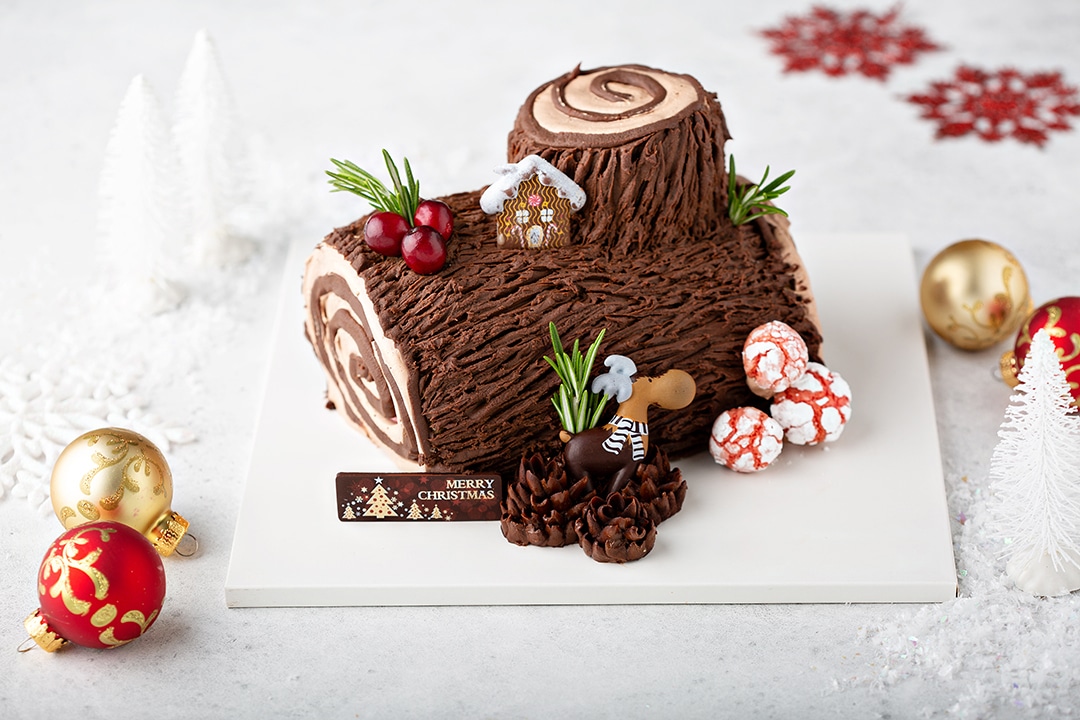
Bûche de Noël is a rolled sponge cake filled with cream, covered in ganache and decorated to look like a wooden log.
Origin: It evokes the old European tradition of burning a Yule log at Christmas to attract good fortune.
Why it’s a highlight for entrepreneurs:
- Visually stunning and highly photogenic.
- Perfect for social media content.
- Can be offered in family size or as gourmet slices.
Spanish Turrón: sweetness passed from generation to generation
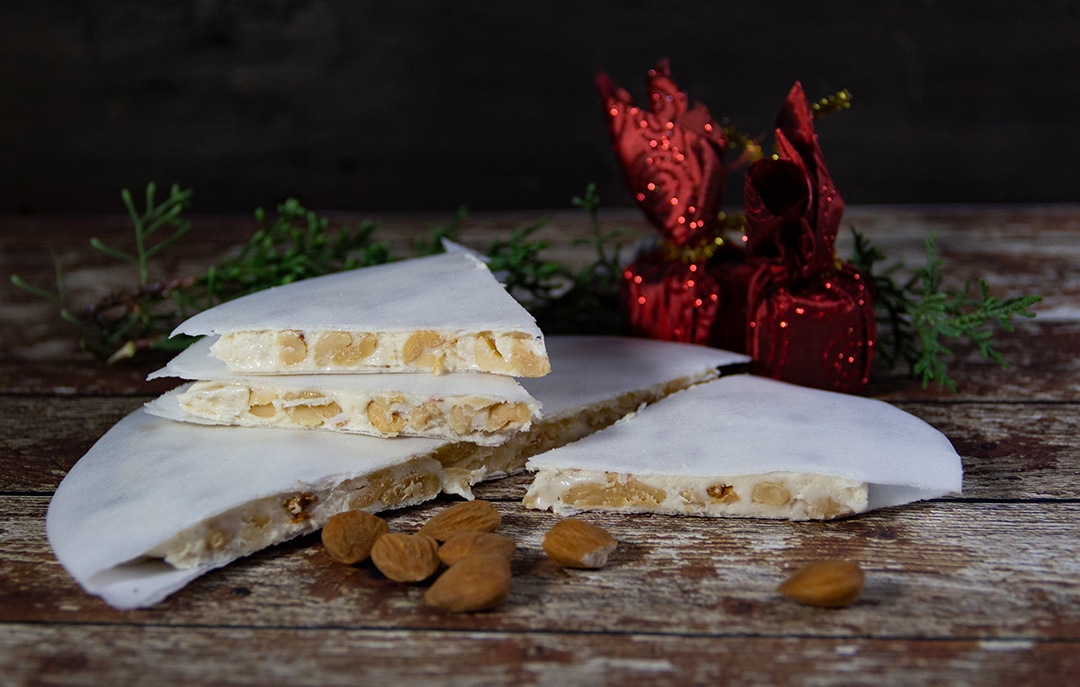
Turrón, made with almonds, honey and egg white, is a classic on Spanish Christmas tables.
Commercial advantages:
- Easy to store and portion.
- Ideal for mixed boxes, dessert boards and coffee accompaniments.
- Supports creative versions (chocolate, nuts, local flavors).
3.2 The Americas: desserts with identity, memory and character
From the North to the Southern Cone, the Christmas desserts table in the Americas tells a story of fusion, heritage, and local flavor. These are not just sweets; they are profound expressions of identity. Each bite is a journey through history, connecting family memories with the character of the land. Whether steeped in dark rum and spices, rooted in native grains, or sweetened with the fruits of the soil, these desserts carry the soul of their people, turning every Christmas celebration into a delicious testament to a rich and diverse cultural legacy.
Venezuelan Black Cake: a treasure of aromas, traditio
n and family
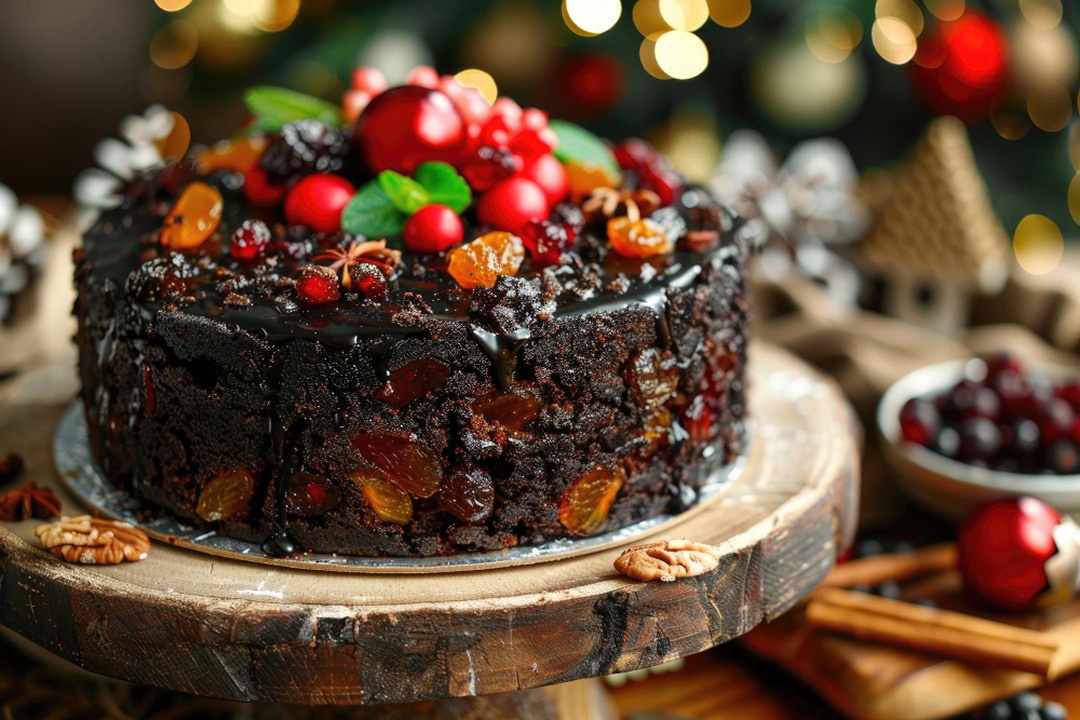
Venezuelan Black Cake (Torta Negra) is one of the country’s most iconic Christmas desserts. Its deep flavor and moist texture come from a mix of macerated fruits, spices and alcohol.
History and roots: Inspired by the British plum pudding, it was adapted to Caribbean tastes and became a family recipe passed down through generations. Many families start soaking their fruits weeks before December.
Why it’s gold for your food business:
- It has a naturally strong storytelling component.
- The long maceration process conveys care and craftsmanship.
- You can offer premium versions, mini cakes, slices or gift boxes.
Presentation ideas:
- Black Cake with Venezuelan rum and minimalist decoration.
- Alcohol-free version for families and children.
- Mini Black Cakes as café desserts or gift-size portions.
Colombian buñuelos and natilla: tradition that smells like home
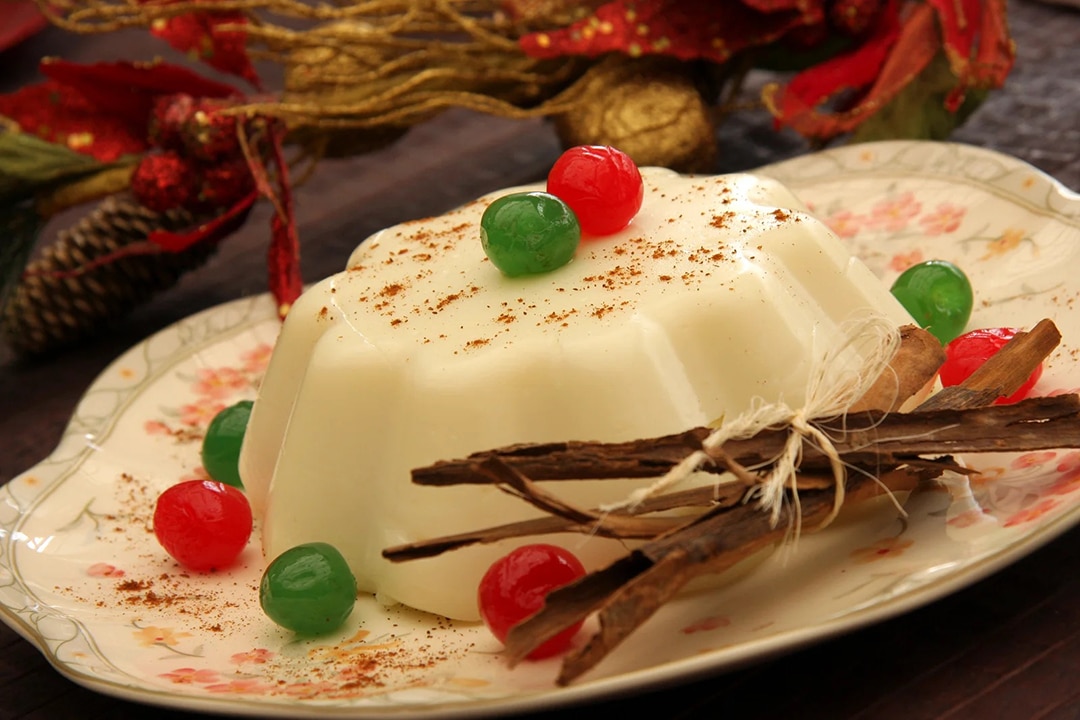
In Colombia, Christmas tastes like golden, crispy buñuelos and creamy natilla with cinnamon.
Origin: This pairing became part of religious and family gatherings and is now a staple of the traditional “novena” celebrations.
Gastronomic potential:
- Excellent for fast sales and combos.
- Perfect for take-away formats.
- Allows attractive pricing and high turnover.
Ideas for entrepreneurs:
- “Buñuelos + hot holiday drink” combo.
- Family-size trays for sharing.
- Natilla portions with creative toppings (fruit, sauces, crunch).
Chilean Pan de Pascua: spices, dried fruits and festive spirit
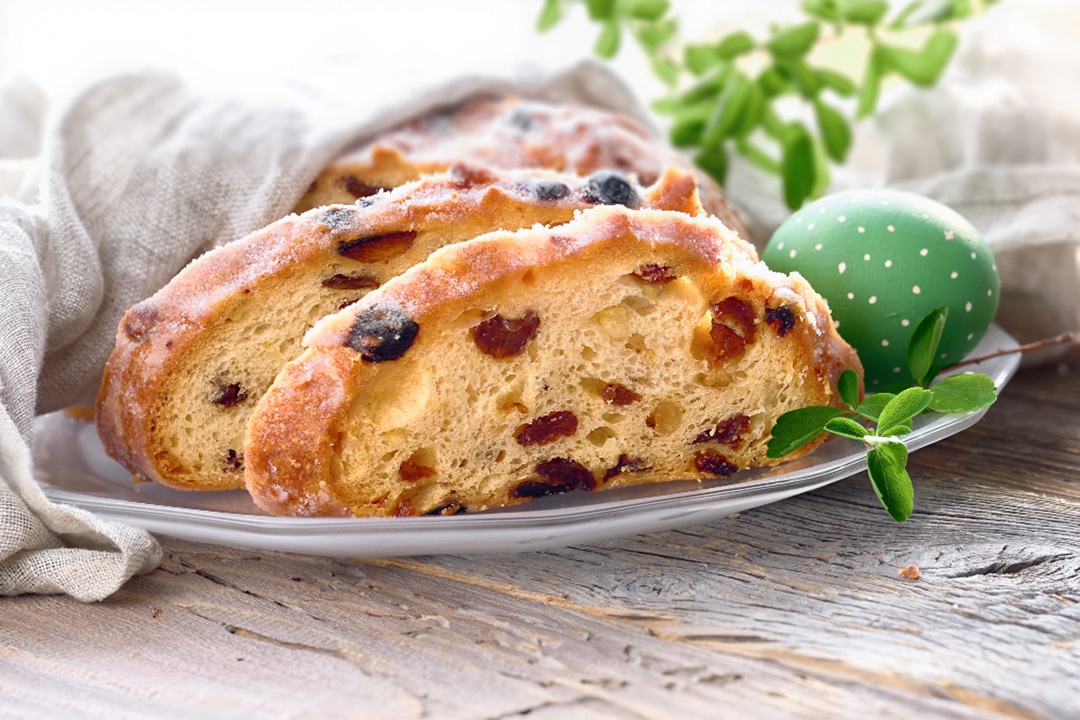
Pan de Pascua is a spiced cake loaded with dried fruits, reminiscent of fruitcake but with a Chilean identity.
Context: It arrived via European influence and was adapted to local ingredients and tastes.
Business opportunities:
- Strongly associated with the season — easy to position and promote.
- Can be sold whole or sliced.
- Adds volume and a sense of abundance to your display.
Pumpkin Pie and Pecan Pie: winter icons from the United States
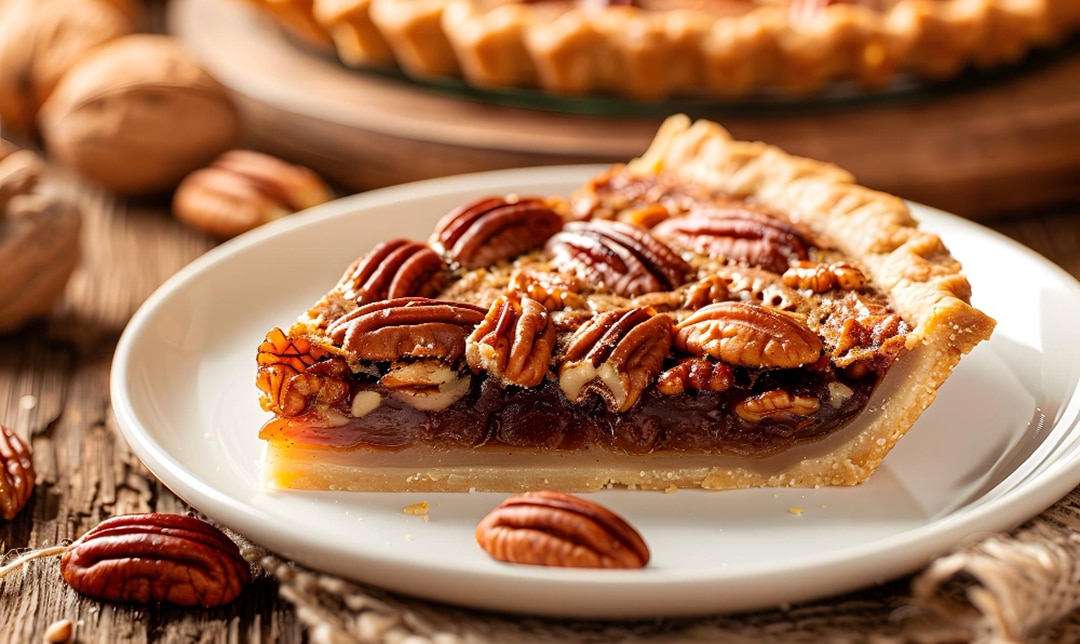
Although they began as Thanksgiving desserts, both are widely consumed throughout the holiday season.
Pumpkin Pie: smooth, spiced pumpkin filling in a flaky crust.
Pecan Pie: a rich, sweet pie loaded with pecan nuts.
Why they’re great allies for your menu:
- They fit well in cafés, restaurants and hotels.
- Easy to serve by the slice.
- Pair beautifully with coffee, vanilla ice cream or whipped cream.
Latin American alfajores: small bites with big impact
While not exclusively Christmas desserts, in many countries (Argentina, Uruguay, Peru) alfajores are included in Christmas hampers and dessert spreads.
Advantages:
- Low production cost.
- Very high turnover.
- Perfect for boxes, souvenirs or grab-and-go sales.
3.3 Asia: delicate sweets that celebrate new beginnings
In Asia, the festive season is celebrated with a confectionery philosophy centered on artistry, symbolism, and subtlety. The desserts are not merely indulgent but are crafted as offerings of good fortune, prosperity, and harmony. From the auspicious layers of the Indonesian Kueh Lapis and the tender, filled Mochi of Japan to the fragrant elegance of Eastern-style Spiced Pears and other steamed treats, each sweet is a delicate masterpiece. They speak a language of blessings, where intricate preparation honors tradition, and every ingredient carries a wish for a sweet and prosperous year to come. This is a celebration of new beginnings, expressed through a palette of refined flavors and symbolic forms.
Japanese Mochi: softness and prosperity in every bite
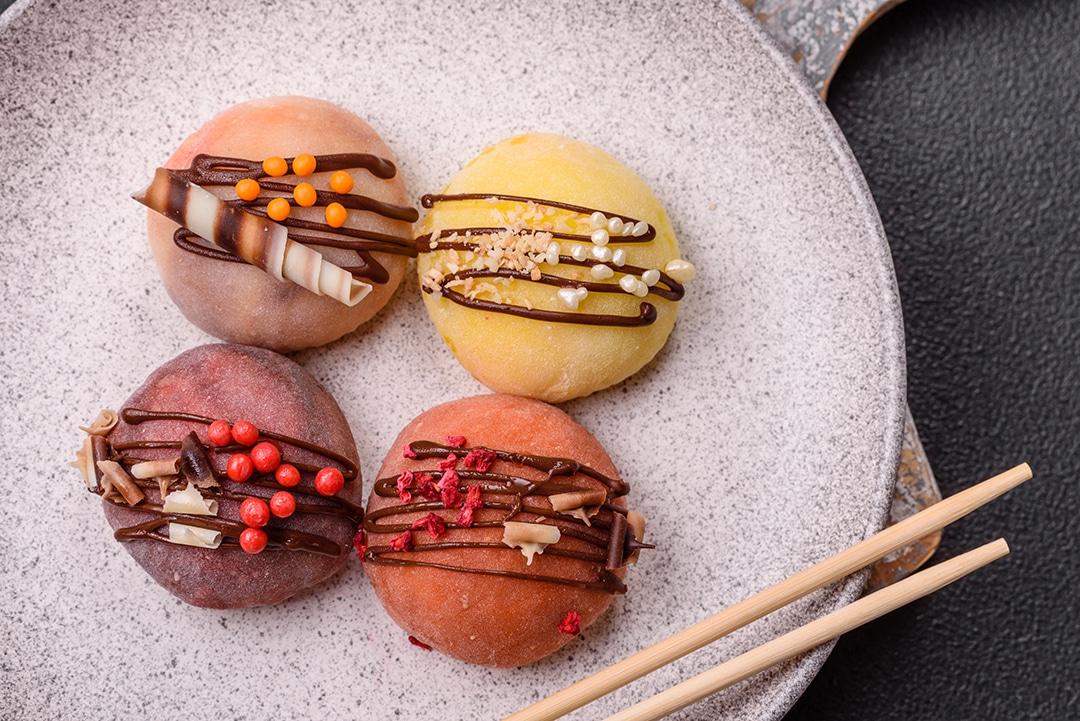
New Year Mochi, made from glutinous rice, is a symbol of abundance and good fortune.
Why it’s attractive on your menu:
- Unique texture that sparks curiosity.
- Adaptable to creative fillings (fresh fruit, chocolate, cream).
- Very appealing for younger, adventurous customers.
Kueh Lapis: layered cake that surprises at first glance
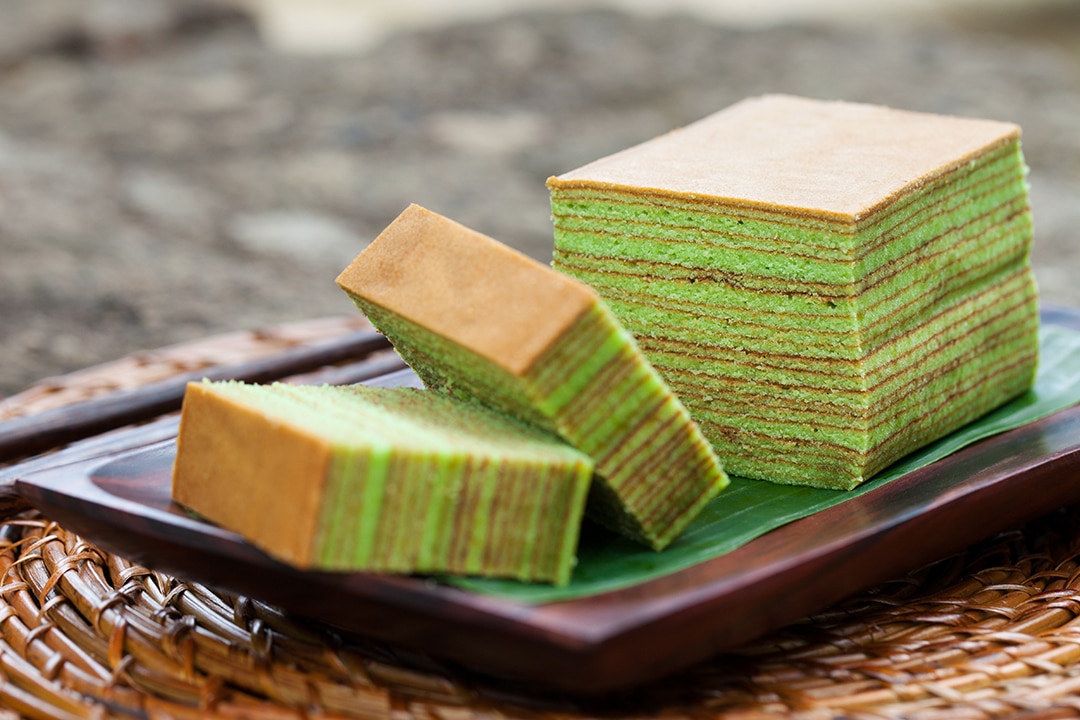
Kueh Lapis, from Indonesia and Malaysia, combines butter, spices and thin baked layers to create a striped cake.
Differential value:
- Its layered look creates a very elegant visual effect.
- Ideal for gourmet bakeries and specialty coffee shops.
Spiced pears, Eastern-style
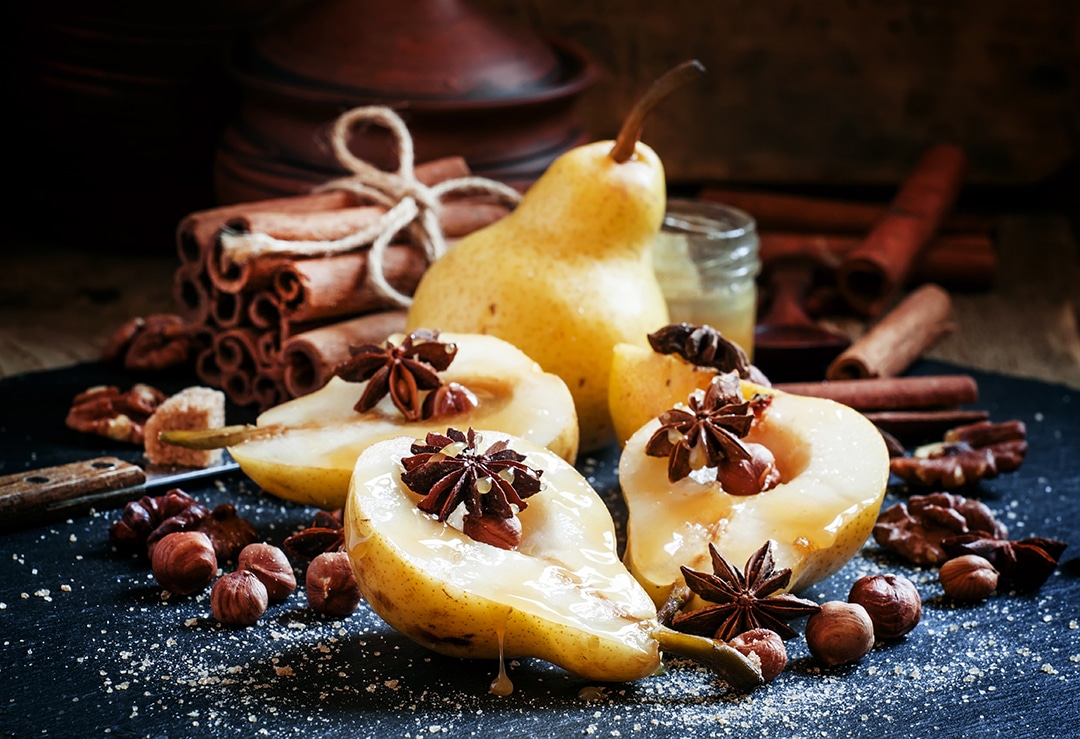
Pears gently poached with cinnamon, star anise and sugar offer a light, warm, aromatic dessert.
Why include them:
- Easy to adapt to restaurant menus seeking lighter options.
- Can be served alone, with ice cream or over cake.
4. Practical recipes to bring Christmas desserts into your operation
You don’t need a huge dessert menu to benefit from Christmas desserts. With a few well-chosen recipes, you can give your offer a seasonal twist.
4.1 Simplified artisanal Panettone
Basic ingredients:
- 500 g strong flour
- 120 g sugar
- 110 g butter
- 3 eggs + 1 yolk
- 120 ml milk
- 30 g fresh yeast
- Raisins and candied fruits
Short method:
- Activate the yeast in warm milk.
- Mix flour, sugar and eggs.
- Add softened butter and knead until the dough is elastic.
- Fold in the fruits.
- Let rise for several hours until doubled in size.
- Bake in a tall mold at 170 °C for 45–55 minutes.
4.2 Quick Bûche de Noël
Key elements:
- Sponge cake sheet
- Filling (chocolate cream, whipped cream, coffee cream, etc.)
- Ganache or buttercream coating
Basic steps:
- Bake the sponge sheet and let it cool slightly.
- Spread the filling and roll carefully.
- Chill to set the shape.
- Cover with ganache and create a “log” texture with a fork.
- Decorate with powdered sugar, berries or chocolate figures.
4.3 Venezuelan Black Cake for business
Ingredients:
- 500 g flour
- 250 g butter
- 250 g sugar
- 4 eggs
- Spices: cinnamon, clove, nutmeg
- Fruits macerated in rum or sweet wine
- Molasses or dark sugar to deepen color and flavor
Preparation:
- Cream butter and sugar until light and fluffy.
- Add the eggs one at a time.
- Fold in flour and spices.
- Add the macerated fruits and mix gently.
- Pour into molds and bake at 160 °C for 50–70 minutes.
- Let cool and, if desired, brush with more liquor to intensify flavor.
Entrepreneur tip: Phrases like “fruits macerated for 30 days” increase perceived value and help justify a higher price.
5. Pairings that elevate your customer’s experience
- Panettone: sparkling wines, Moscato, filter coffee.
- Black Cake: dark rum, fortified wines, strong espresso.
- Bûche de Noël: hot chocolate, spiced lattes, young red wines.
- Buñuelos and natilla: hot chocolate, traditional corn drinks, medium-roast coffee.
- Pumpkin/Pecan Pie: Americano, cappuccino, vanilla ice cream.
- Mochi: green tea, matcha latte, sweet sake.
Including pairing suggestions on the menu or in small signs around the venue helps increase average ticket size.
6. Turning Christmas desserts into a competitive advantage
6.1 Play with the idea of limited editions
Christmas desserts are perfect for campaigns like: “Only in December”, “Holiday Limited Edition”, “World flavors for a limited time”. Perceived scarcity creates urgency and motivates people to try them.
6.2 Adapt recipes to your brand identity
It’s not just about copying traditions, but reinterpreting them:
- Panettone with local chocolate or single-origin coffee.
- Black Cake with premium cocoa notes or espresso hints.
- Mochi with tropical fillings (mango, passion fruit).
- Bûche de Noël with regional flavors.
6.3 Control costs without losing value
- Create one base dough or sponge you can reuse across several desserts.
- Choose 2–3 “hero” Christmas desserts instead of building a huge menu.
- Offer both individual portions and family-size options.
6.4 Design your presentation with social media in mind
Christmas is extremely visual. Focus on:
- Colors (reds, golds, greens, whites).
- Clean but warm plating.
- Details like artisanal tags, ribbons, customized boxes.
6.5 Educate customers with small stories
On your menu or a small sign, add one line about each dessert’s origin, for example:
“Inspired by Venezuelan Christmas tradition, made with fruits macerated for 30 days.”
These short stories turn a Christmas desserts into an experience.
7. Conclusion: this Christmas, let your menu tell stories worth remembering
Christmas desserts are not just a sweet way to end the meal. They are carriers of memory, identity and emotion. For a food entrepreneur, each of these desserts is an opportunity to stand out, connect with customers and improve profitability during a key season.
If you choose the right desserts, tell their stories and present them with intention, your holiday menu can become a journey around the world that your customers will want to repeat every year.
And the best part is this: at Flavor Connection, we hold the firm conviction that season after season, you can continue to refine, innovate, and build tradition around your brand through the power of classic Christmas desserts.

