
Delivery platforms have become essential tools for food entrepreneurs in the U.S. market. Uber Eats, DoorDash, Grubhub, and similar services help emerging concepts reach more customers, increase visibility, and generate sales beyond the dining room.
But being available on a platform does not automatically create loyalty. A customer may discover your brand, place one order, enjoy the food, and never come back if the experience feels generic, the packaging fails, or the brand gives them no clear reason to reorder.
That is why Delivery customer loyalty should not be framed as a battle against third-party delivery companies. For most culinary founders, these platforms are part of the business infrastructure.
The sharper question is this: how do you use delivery platforms as growth channels while building stronger customer memory, repeat behavior, and better unit economics?
Delivery customer loyalty without losing brand equity on third-party platforms
Delivery apps operate like digital storefronts. They allow an independent restaurant, ghost kitchen, food truck, bakery, catering concept, or early-stage food brand to appear where customers are already looking for meals.
The risk begins when the relationship ends at the transaction. If the customer remembers the app but not the restaurant, the order has limited long-term value.
A founder needs to understand channel economics: how much did it cost to acquire the customer, did the customer reorder, and did the order create contribution margin after commissions, packaging, labor, and promotions?
Table 1. Delivery customer loyalty: CAC, repeat orders, and customer value by channel
| Sales Channel | CAC Profile | Data Ownership | Repeat Order Potential | Main Risk | Strategic Role |
| Delivery apps | Medium-high through fees and promos | Low | Medium | Low brand recall | Discovery and demand |
| Owned website | Medium | High | High | Requires owned traffic | Margin and reorder control |
| SMS/email | Low-medium | High | High | Requires disciplined execution | Reactivation |
| Social media | Variable | Medium | Medium-high | Irregular conversion | Community and desire |
| Catering or recurring orders | Medium | High | Very high | Higher operational complexity | Revenue stability |
The goal is not to abandon marketplaces. For many operators, that would be unrealistic. The goal is to use them intelligently while building owned assets: customer lists, recognizable packaging, review loops, branded experiences, and repeat-order incentives.
This is where restaurant customer retention becomes a business discipline rather than a marketing wish.
The delivery experience: repeat orders begin when the bag is opened
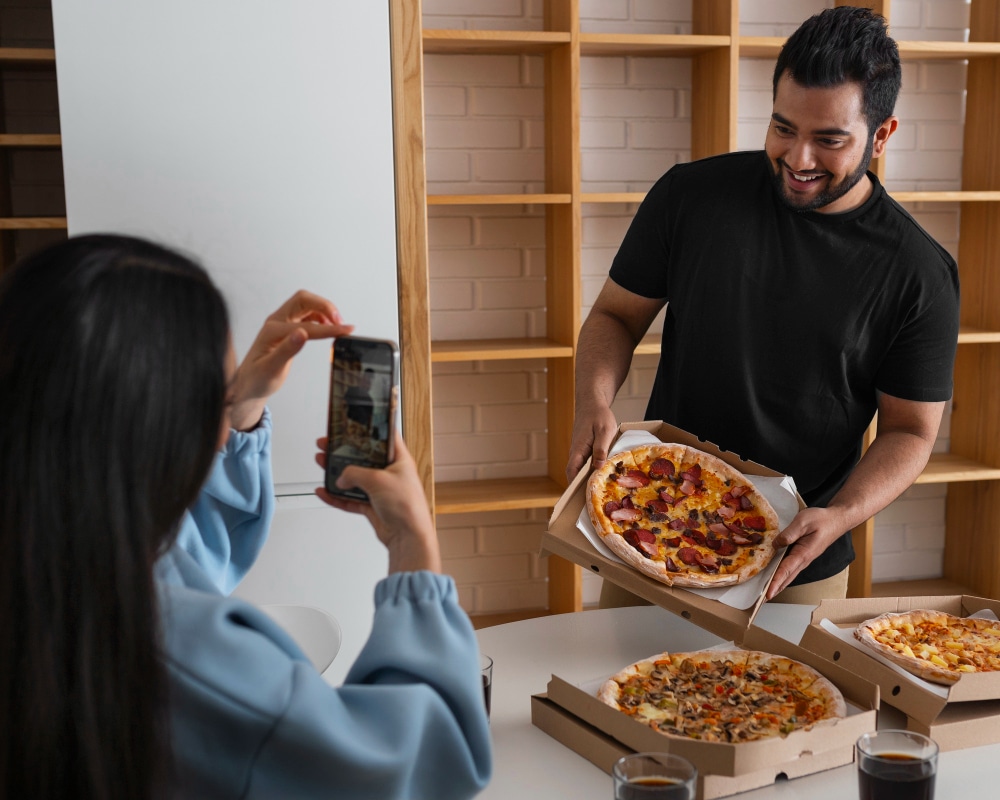
Selling food through delivery is not only about preparing a strong dish. It is about making sure the product arrives in a condition that protects quality, temperature, texture, presentation, and trust.
Customers do not see the kitchen workflow. They see the bag, the container, the order accuracy, and the condition of the food at the moment it reaches their home or office.
A soggy burger, spilled bowl, damaged dessert, or lukewarm pasta can weaken the second-order probability. That is why Delivery customer loyalty must begin inside the operation, not only inside the CRM.
Table 2. Scalable delivery experience checklist by menu category
| Menu Category | Operational Risk | Scalable Delivery Checklist | Key Metric |
| Hot food | Heat loss and condensation | Ventilated packaging, sauce separation, thermal staging | Dispatch temperature |
| Cold food | Freshness loss | Cold chain control, rigid containers, visual check | Time out of refrigeration |
| Premium food | Low perceived value | Branded packaging, internal protection, refined insert | Presentation complaints |
| Bowls and salads | Spillage or ingredient collapse | Secure lids, layered assembly, dressing on side | Damaged order rate |
| Desserts | Fragility and visual damage | Dividers, stable base, protective packaging | Arrival integrity |
Packaging is not decoration. It is product architecture. It influences reviews, refunds, reorder behavior, and perceived pricing power.
For founders asking how to build food delivery loyalty, this is the first operational truth: if the food does not travel well, the loyalty program will be compensating for a weak experience.
Direct reward systems: loyalty without margin leakage
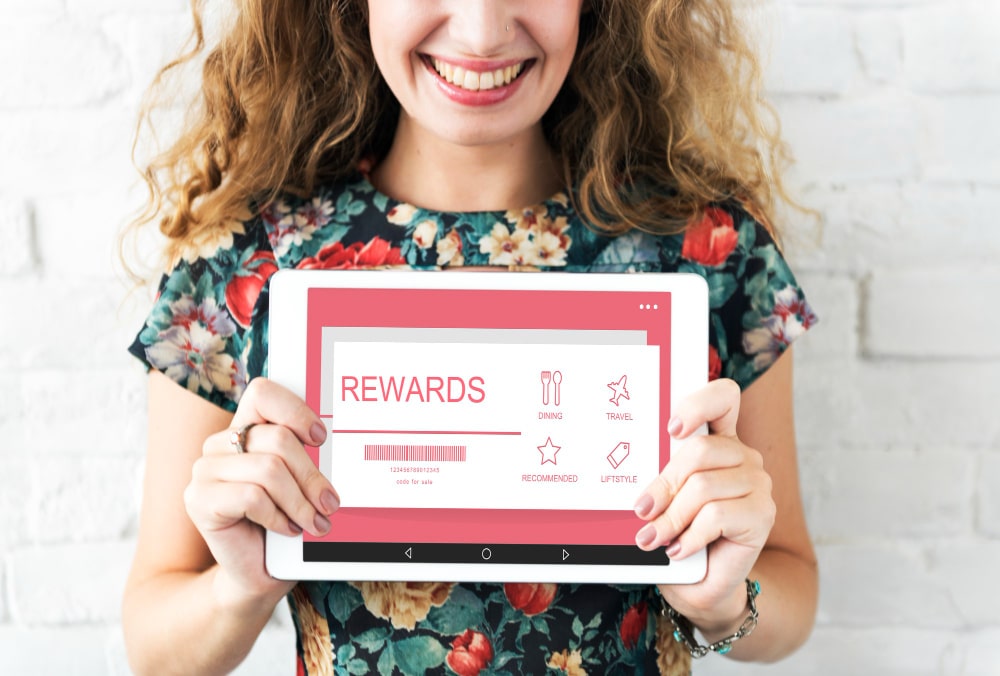
A weak loyalty program gives discounts to customers who might have ordered anyway. A strong program changes profitable behavior.
The purpose of rewards is not to be generous without control. It is to encourage actions that strengthen the business: repeat purchases, larger baskets, higher-margin bundles, off-peak orders, verified reviews, and stronger brand engagement.
Table 3. Delivery customer loyalty: direct incentives without margin leakage
| Level | Requirement | Benefit | Recommended Cost Margin |
| Starter | 2 orders within 30 days | Low-cost side or beverage | 3%–5% |
| Regular | 4 orders within 60 days | Product upgrade or selected dessert | 5%–7% |
| Insider | Average ticket above target | Secret menu access | 4%–6% |
| Family/Bulk | Recurring group order | Exclusive bundle | 6%–8% |
| Local VIP | High frequency plus positive review | Personalized benefit | 8%–10% |
Every reward should be tested against food cost, packaging cost, labor, delivery economics, and expected incremental margin. A 15% discount may look harmless, but if the order already carries marketplace fees and premium packaging, profitability can disappear quickly.
More advanced systems favor benefits with high perceived value and controlled cost: early menu access, exclusive bundles, limited drops, smart upgrades, or personalized perks.
Menu design and delivery speed: retention is operational
Not every dish belongs in delivery. Some items perform beautifully in-store but lose structure, texture, temperature, or visual appeal in transit. Others require packaging that makes the margin unattractive.
A delivery-optimized menu should be tighter, more stable, and easier to execute under pressure. It should prioritize items that travel well, maintain quality, support bundles, and preserve contribution margin.
For food entrepreneurs exploring how to build food delivery loyalty, menu engineering is often the missing lever. Loyalty is not only created through points and promotions. It is built through repeatable execution.
If the menu is too broad, errors increase. If the kitchen slows down during peak windows, delivery times suffer. If bundles are not financially designed, reorder volume may grow while profit weakens.
Automation, reviews, and customer recovery
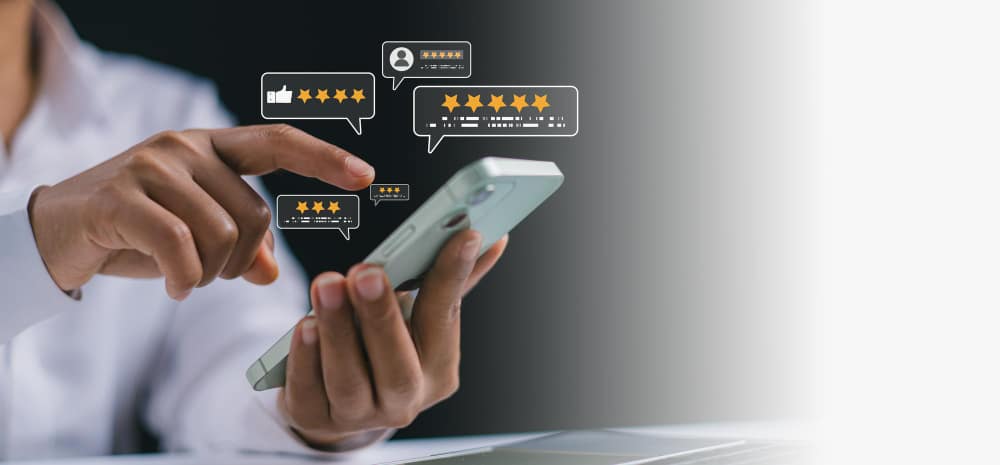
A customer who orders three times and then disappears is not just a lost sale. It is a signal. The customer may have had a poor experience, become bored with the menu, found a cheaper alternative, or simply received no reason to return.
Automated communication helps identify and respond to those moments. A basic flow can include a post-order thank-you, review request, second-order incentive, product recommendation, VIP segmentation, and win-back message after inactivity.
The strongest Delivery customer loyalty systems use behavior rather than assumptions. What did the customer order? When did they order? Through which channel? What was the basket size? Did they leave a review? Did they reorder within 30 days?
Personalization should feel relevant, not desperate. “Come back for 20% off” trains discount dependency. “Your usual lunch combo is available for direct order until 3 p.m.” connects timing, preference, and product.
FAQ
How do you measure repeat purchase rate in food delivery?
Divide the number of customers who placed more than one order during a specific period by the total number of unique customers in that same period. For delivery, track 30-day, 60-day, and 90-day repeat rates to understand whether Delivery customer loyalty is improving.
What is the ideal cost percentage for a restaurant loyalty program?
A practical operating range is 3% to 10% of sales, depending on contribution margin, average order value, and order frequency. The reward should never exceed the incremental margin expected from the repeat purchase.
How can I move customers from Uber Eats or DoorDash to direct channels?
Do it progressively, not aggressively. Use branded packaging, permitted QR codes, exclusive direct-order benefits, social media, SMS, email, and a better owned experience. Customers migrate when the direct channel feels more valuable, not only cheaper.
How does delivery time affect loyalty among repeat customers?
Delivery time directly affects trust. Repeat customers already have expectations. If delivery performance varies too much from one order to another, the brand feels unreliable. In delivery, inconsistency can damage loyalty faster than price.
Founders who understand repeatability build stronger brands
A delivery order does not end when the food leaves the kitchen. That moment begins one of the most important tests for any food business: proving that the brand can deliver quality, consistency, and trust beyond its physical space.
Delivery platforms are valuable tools for reaching more customers, but repeat purchases are built with method. Every package, delivery window, post-order message, and incentive should reinforce one idea: this business knows how to operate, care for customers, and grow with intention.
At Flavor Connection, we understand the real challenges behind building a food business. Beyond providing an operational environment for culinary entrepreneurs, we share practical knowledge, guidance, resources, and business insight for founders who want to make better decisions.
Our goal is to be a trusted point of support for food entrepreneurs, virtual restaurants, independent chefs, food trucks, bakers, pastry makers, caterers, and emerging culinary concepts looking to grow with structure, community, and a stronger business network.
Delivery customer loyalty is not a single campaign; it is the operating logic that turns customer memory, consistency, and trust into repeatable demand.
If you are building a food brand and want to move forward with more clarity, schedule a conversation with Flavor Connection. Let’s connect your operation, your ideas, and your next steps with a community prepared to grow with you.

