
What is the story behind the dish
The story behind the dish is a gastronomic marketing strategy that connects ingredients, culture, technique, and emotion to increase the perceived value of a plate and improve restaurant profitability.
When guests understand where a dish comes from and why it exists, they stop comparing prices and start valuing the experience.
This is why many chefs now integrate culinary storytelling into their menu engineering.
The problem many restaurants face
Many restaurants cook well.
But selling well is another skill.
When a dish arrives without context, guests evaluate it using only:
- size
- appearance
- price
This is when comparison begins.
That is exactly where the story behind the dish changes everything.
A dish with narrative competes on meaning, not price.
Why dishes with stories sell more
Consumer psychology is simple.
People pay more for:
- authenticity
- emotion
- identity
- experience
Menus that integrate the story behind the dish activate these drivers.
The results are clear:
Higher perceived value
Stronger brand memory
Greater willingness to pay
In business terms, this increases the average check.
The Story Behind the Dish Isn’t Marketing—It’s Margin
If your concept lacks a narrative, the customer only evaluates three things: quantity, appearance, and price. However, when you provide context, a dish becomes an experience. Experiences are easier to defend, harder to forget, and more likely to be recommended.
Think of this as menu engineering: storytelling isn’t just decoration; it’s a decision-maker. It reduces the friction of «Why does this cost so much?» by creating an emotional connection that justifies the price before the first bite.
The 7 pillars that turn a dish into a story
Before diving deeper, let’s answer a question many restaurant owners search online:
How can I make my restaurant more memorable?
The short answer:
Make sure every signature dish has the story behind the dish clearly defined.
This doesn’t mean inventing something fake.
It means revealing the meaning already present in your kitchen.
Pillar 1 – Origin & Terroir: give ingredients a destination

Origin transforms perception.
There is a big difference between saying:
“tomato”
and saying:
“tomatoes harvested from a small family farm at peak ripeness”.
That context creates value.
Adding terroir to the story behind the dish makes a plate feel authentic.
Pillar 2 – The emotional “why”: the flavor’s lineage

Great dishes exist for a reason.
They may come from:
- family traditions
- travels
- cultural reinterpretations
- regional heritage
This emotional layer is essential to culinary storytelling.
Emotion creates memory.
Memory creates loyalty.
Pillar 3 – Transformation: technique as a “Eureka” moment
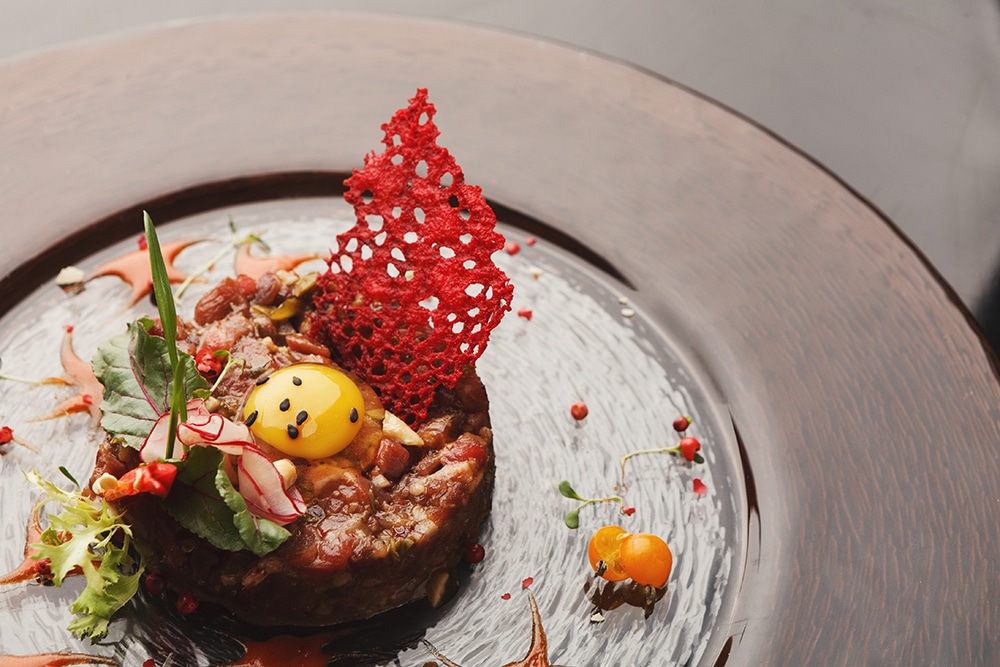
Technique is part of the spectacle.
But it must be communicated correctly.
Within the story behind the dish, technique should feel like discovery.
Examples:
Slow fermentation → deeper flavor
Hard searing → perfect texture
Long reduction → aromatic concentration
When guests understand the process, the price feels justified.
Pillar 4 – Social context: culture served hot
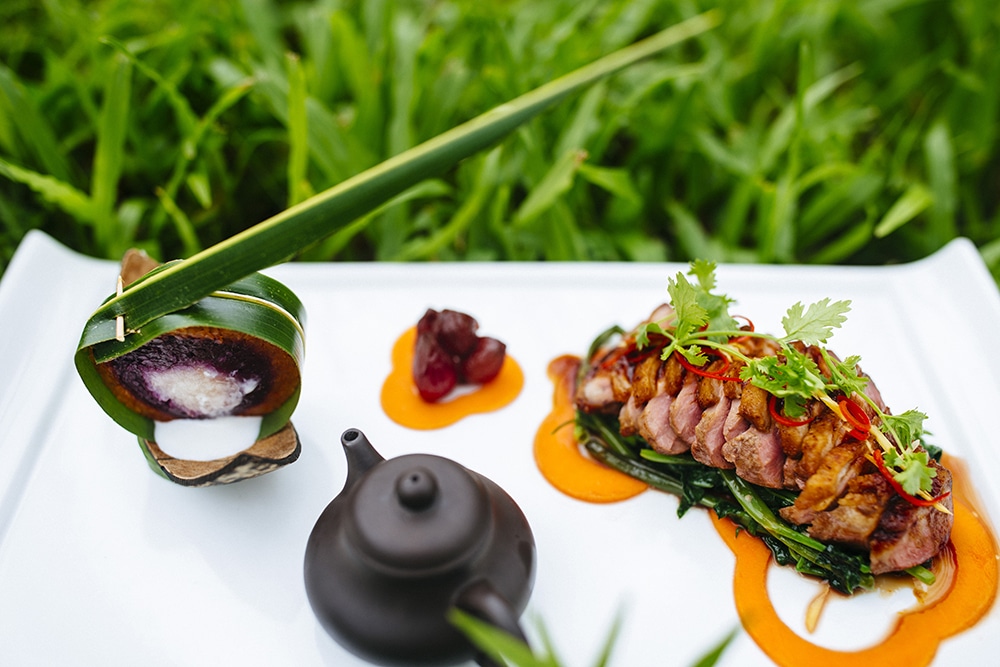
Food is living culture.
Each dish carries history, tradition, and identity.
Adding this context strengthens the story behind the dish.
It also increases the likelihood that guests will share the experience online.
Pillar 5 – Service ritual: storytelling you can taste

Storytelling does not end in the kitchen.
It continues at the table.
The moment a dish is presented is the climax of the story behind the dish.
A short explanation from the staff can transform the entire perception.
It also creates opportunities for:
- wine pairings
- recommendations
- desserts
Which increases the average check.
Pillar 6 – Narrative aesthetics: plating as visual language

Guests eat first with their eyes.
Plating is visual communication.
When presentation supports the story behind the dish, perceived value rises dramatically.
Restaurants that master this generate stronger emotional impact.
Guests buy twice: with eyes and with palate. Plating isn’t “pretty”—it’s signal.
How it lifts perceived value: intentional visuals communicate control and authorship. Controlled equals premium.
Three visual choices that sell:
- a clear focal point
- contrast that signals quality (texture, gloss, height)
- a repeatable signature gesture
Pillar 7 –Dish DNA: the guest-friendly “ingredient passport”

Modern menu engineering often defines a dish identity.
This “DNA” summarizes the story behind the dish in four elements:
- origin
- technique
- inspiration
- pairing suggestion
This clarity helps guests decide faster.
And confident decisions increase sales.
How Storytelling Increases Your Average Ticket
Here’s where storytelling stops being poetic and becomes strategic.
When restaurants activate the story behind the dish, something shifts.
Guests become curious.
They ask questions.
They order signature dishes.
They take photos.
They return with friends.
This translates directly into business results:
Higher average ticket.
Stronger brand positioning.
Greater perceived quality.
The recipe didn’t change.
But the story behind the dish changed how customers value it.
And that difference is the essence of restaurant marketing.
How to apply this strategy
To turn the story behind the dish into a real business tool:
- Identify your most profitable dishes
- Define their narrative
- Add a storytelling line to the menu
- Train staff to communicate it
- Reinforce with plating and service
Restaurants that apply this approach often increase revenue without raising prices.
The Difference Between Food and Experience
In modern gastronomy, cooking well is no longer enough.
Communication defines success.
That is where the story behind the dish becomes a powerful competitive advantage.
When restaurants master this, the menu stops being a list of recipes and becomes a memorable experience.
Many restaurants compete on price.
The memorable ones compete on meaning.
When you master the story behind the dish, your menu becomes more than food.
It becomes identity.
Conversation.
Memory.
And memory is what drives real growth.
Because a satisfied customer might return.
But a guest who connects with the story behind the dish brings others with them.
At Flavor Connection, we believe food should not only taste good.
It should tell a story worth sharing.
FAQ
What is culinary storytelling?
It is the use of narrative to communicate the origin, emotion, and technique of a dish in order to improve guest experience and increase sales.
Does storytelling really increase restaurant revenue?
Yes. When guests understand the value behind a dish, price resistance decreases.
Should every dish have a story?
No. Start with your signature dishes.
How do I monetize my menu narrative?
Make it show up where decisions happen: a menu line + a short service script + a small ritual at delivery. Narrative must appear before the order.
Which dishes should get a story first?
Start with high-margin dishes and the ones that differentiate your concept. Build stories for three anchors, then measure sales and repeat orders.
Do I need long stories at the table?
No. One idea, one emotion, one sensory technical detail. Anything else is noise.

